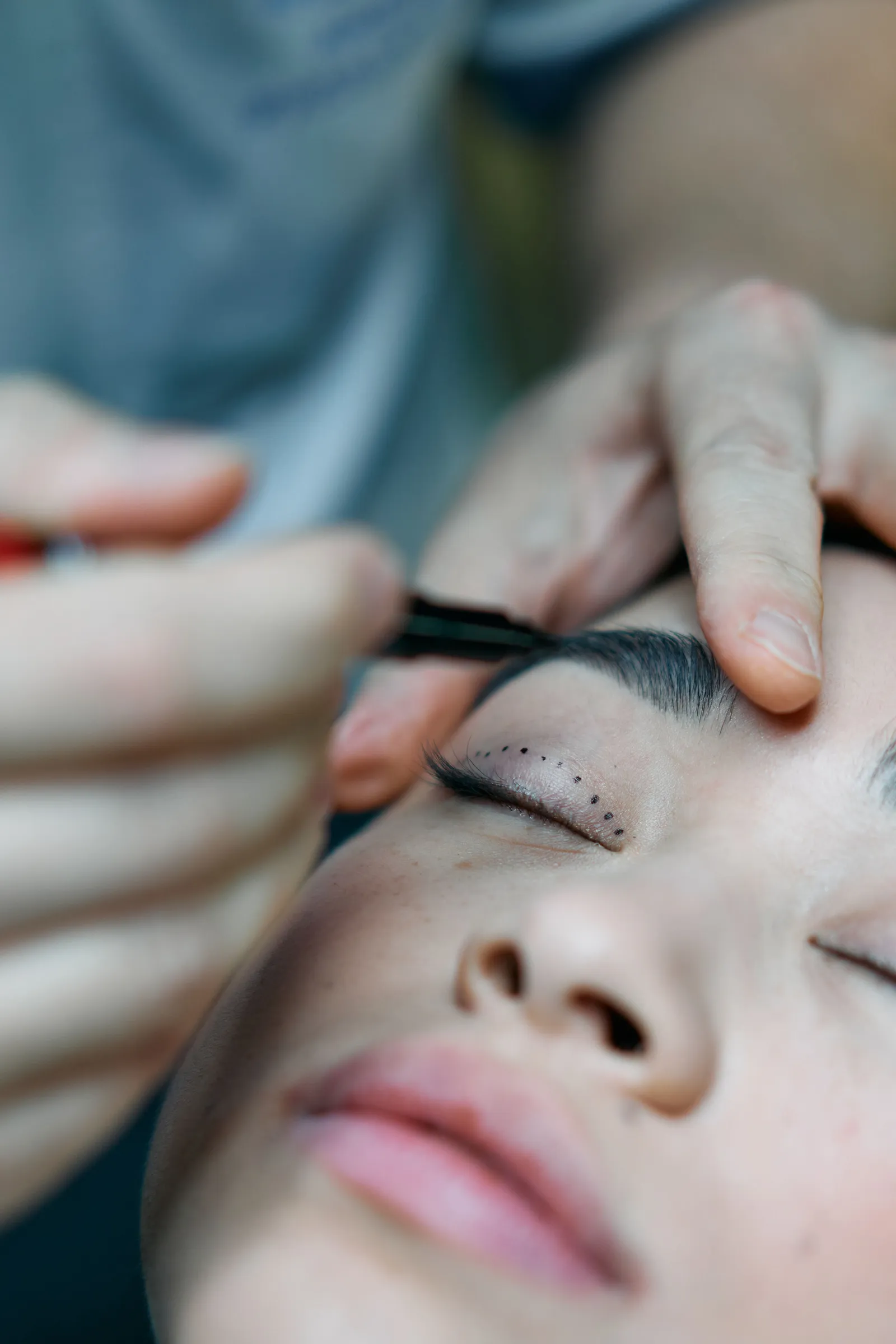
Blepharoplasty rejuvenates the eye area by addressing the specific signs of aging in the upper and lower lids — heavy, hooded upper eyelids that can make a patient look tired or even affect vision, and lower lid bags, puffiness, or hollowing that add years to the face. Upper and lower lid surgery are distinct procedures with different techniques and goals, and many patients benefit from combining them for a more balanced result.
"I bring the same meticulous, conservative, and refined approach to eyelid surgery that I do to rhinoplasty and facelift procedures. The goal is to enhance rather than alter a patient's natural expression. I assess the upper and lower lids individually, so the surgical plan matches what each patient actually needs, rather than defaulting to a one-size-fits-all approach."
Upper blepharoplasty addresses heavy, hooded upper eyelids caused by excess skin and, in some cases, fat that has descended over the eyes with age. Beyond the aesthetic effect of looking tired or older, significant hooding can actually crowd the field of vision, which is why many patients pursue this procedure for functional as well as cosmetic reasons. The goal is a more open, refreshed eye that still looks entirely natural.
Dr. Shah brings the same meticulous, conservative approach to upper lid surgery that defines his rhinoplasty and facelift work. He assesses each patient's eyelid anatomy individually — skin quality, fat distribution, and brow position all factor into the plan — so the amount removed enhances the eye rather than creating a hollow or overly dramatic change.
Lower blepharoplasty targets the bags, puffiness, and hollowing that develop beneath the eyes as fat pads shift and skin loses elasticity over time — changes that can add years to the face even when the rest of the features haven't changed much at all. It's a distinct procedure from upper lid surgery, with its own techniques and considerations, though the two are frequently combined for a more balanced, complete result.
Dr. Shah evaluates the lower lid on its own terms, since the right approach depends heavily on whether the concern is excess fat, hollowing, skin laxity, or some combination of all three. That individualized assessment, paired with the same refined technique he applies across his facial plastic surgery practice, is what allows the lower lid to be corrected without pulling the eye out of shape or leaving an unnatural contour.