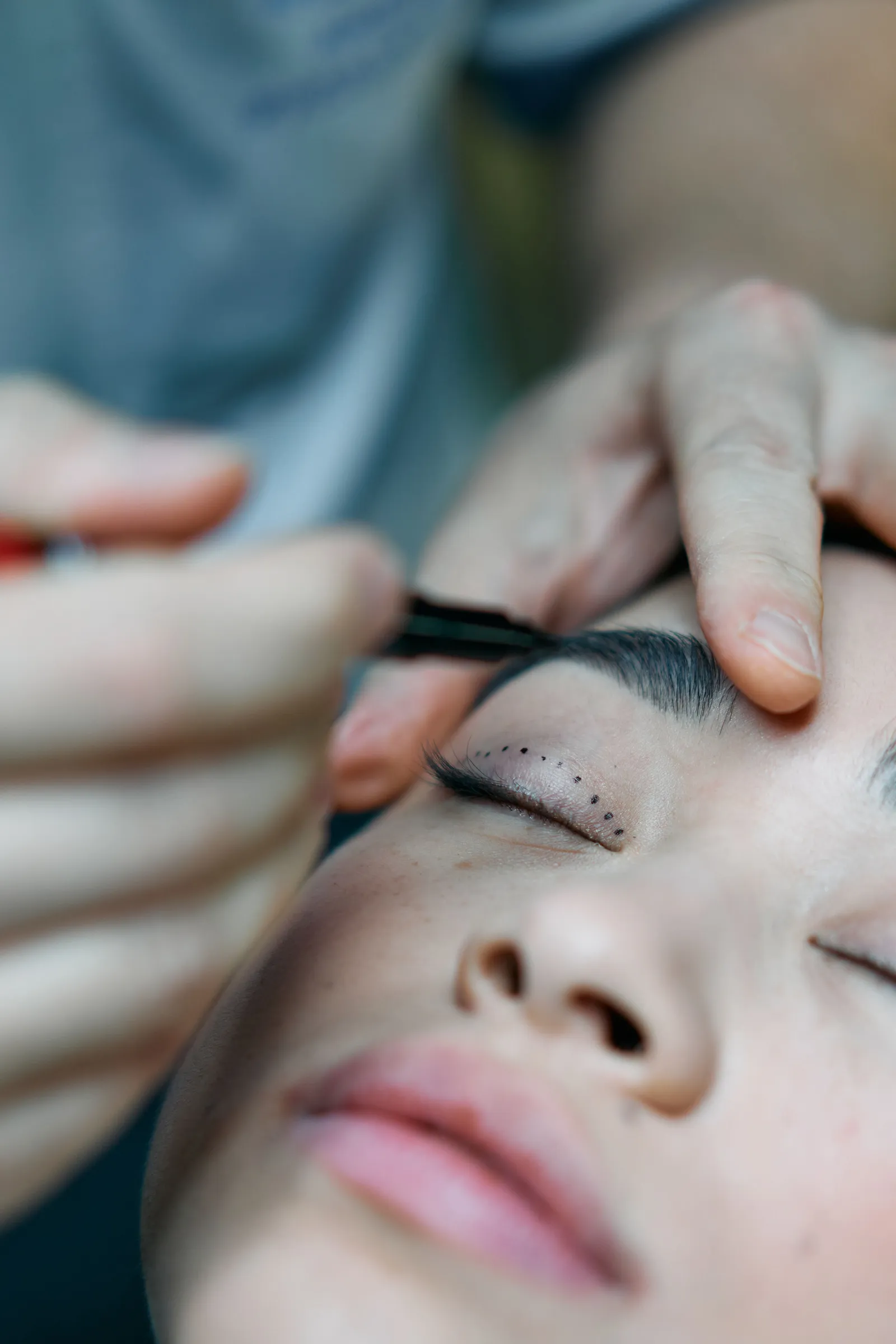
Lower blepharoplasty targets the bags, puffiness, and hollowing that develop beneath the eyes as fat pads shift and skin loses elasticity over time — changes that can add years to the face even when the rest of the features haven't changed much at all. It's a distinct procedure from upper lid surgery, with its own techniques and considerations, though the two are frequently combined for a more balanced, complete result.
Dr. Shah evaluates the lower lid on its own terms, since the right approach depends heavily on whether the concern is excess fat, hollowing, skin laxity, or some combination of all three. That individualized assessment, paired with the same refined technique he applies across his facial plastic surgery practice, is what allows the lower lid to be corrected without pulling the eye out of shape or leaving an unnatural contour.